
-
Dangerous Goods Consultant
Dangerous Goods Consultant for Safe and Compliant Operations
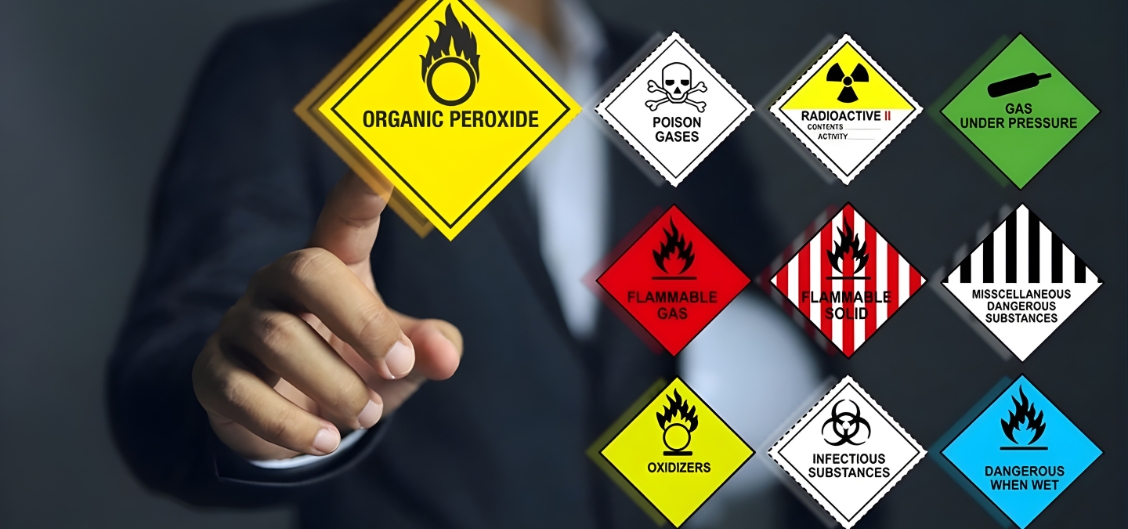
Handling hazardous materials requires specialist knowledge, careful planning, and strict regulatory compliance. A professional Dangerous Goods consultant helps businesses manage risk, protect employees, and meet legal requirements when storing,
packing, shipping, or importing dangerous goods. For companies that work with chemicals, batteries, aerosols, medical products, flammable liquids, or industrial materials, expert guidance is essential. A Dangerous Goods consultant provides support across every stage of the supply chain. This includes product classification, packaging advice, labelling, documentation, training, and compliance audits. Businesses in manufacturing, logistics, warehousing, healthcare, laboratories, and retail all benefit from having access to accurate and up-to-date dangerous goods expertise.
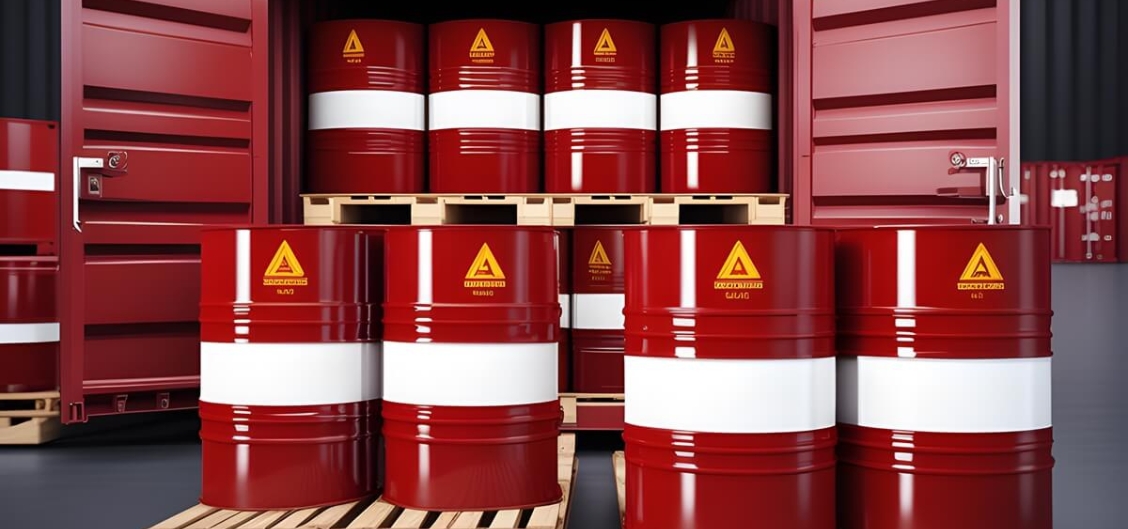
With regulations becoming more complex, working with a consultant can save time, reduce costly errors, and improve overall safety. Correct classification is one of the most important services a Dangerous Goods consultant offers. Each product must be assessed properly to identify its hazard class, UN number, packing group, and transport requirements. Incorrect classification can lead to rejected shipments, fines, delays, and safety incidents. A consultant reviews technical data and safety information to ensure every product is handled according to the latest regulations.
Documentation is another common area where businesses face compliance challenges. Dangerous goods declarations, shipping papers, safety data sheets (SDS), package markings, and labels must all be accurate. Even a small mistake can disrupt transportation and damage customer trust. A skilled Dangerous Goods consultant helps prepare and review these documents so goods can move smoothly by road, sea, or air.
Correct classification is one of the most important services a Dangerous Goods consultant offers. Each product must be assessed properly to identify its hazard class, UN number, packing group, and transport requirements. Incorrect classification can lead to rejected shipments, fines, delays, and safety incidents. A consultant reviews technical data and safety information to ensure every product is handled according to the latest regulations.
Documentation is another common area where businesses face compliance challenges. Dangerous goods declarations, shipping papers, safety data sheets (SDS), package markings, and labels must all be accurate. Even a small mistake can disrupt transportation and damage customer trust. A skilled Dangerous Goods consultant helps prepare and review these documents so goods can move smoothly by road, sea, or air.
Training is equally important. Staff who pack, mark, label, or prepare dangerous goods for transport must clearly understand their responsibilities. A Dangerous Goods consultant can deliver practical, industry-focused training tailored to your business, helping teams work safely and efficiently. This not only supports regulatory compliance but also builds confidence within the workplace.
Regulations such as IATA, IMDG, and ADR are updated regularly, and many businesses struggle to keep up. A Dangerous Goods consultant stays informed about these changes and explains how they affect your operations. This proactive guidance helps companies avoid non-compliance and maintain efficient logistics processes. Many consultants also assist with site audits, emergency response planning, and packaging reviews, giving businesses greater confidence during inspections.
Choosing the right Dangerous Goods consultant means gaining a trusted partner who understands both regulatory frameworks and real-world operational challenges. From risk assessments to shipment support, expert consulting helps businesses reduce disruption, avoid penalties, and maintain high safety standards.
For any company handling regulated materials, hiring a Dangerous Goods consultant is a smart investment. The right expert brings clarity to complex regulations, improves compliance management, and ensures every shipment is prepared safely, correctly, and efficiently. In a highly regulated industry, professional guidance can make a significant difference in safety, reputation, and business performance.